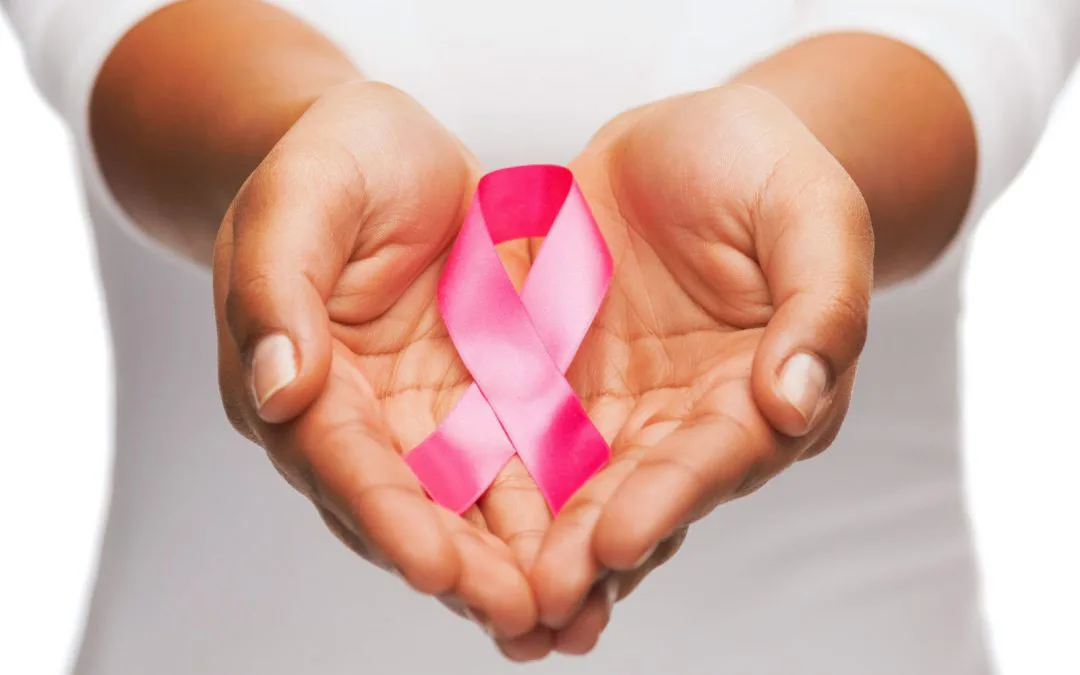
Breast cancer remains one of the most common cancers affecting women worldwide — and Nigeria is no exception. Each year, thousands of women are diagnosed, often at late stages when treatment becomes more difficult and survival rates decline. Yet, despite the statistics, breast cancer is not a death sentence when detected early and managed properly.
Why Awareness Matters
Awareness is the first and most powerful step in saving lives. Many women still lack access to information about breast cancer — what causes it, how to detect it early, and where to seek help. Cultural beliefs, stigma, and misinformation often make the subject difficult to talk about. At H.E.L.P Initiative, we believe that knowledge is power. Through our community outreach programs, we educate women and men alike about breast health, encouraging open conversations that lead to early detection and better outcomes.
Understanding the Risk Factors
While the exact cause of breast cancer isn’t known, several factors can increase risk, including:
- A family history of breast or ovarian cancer
- Early menstruation or late menopause
- Aging (risk increases after 40)
- Obesity and poor diet
- Excessive alcohol intake and smoking
- Physical inactivity
Understanding these risks helps individuals make healthier lifestyle choices and motivates regular health checks.
Early Detection Saves Lives
Early detection is critical. When breast cancer is found in its early stages, treatment is more effective, and survival chances increase significantly. Every woman should:
- Perform regular breast self-examinations (BSE) — once a month, ideally a few days after menstruation.
- Get clinical breast examinations by a health professional at least once every year.
- Go for mammograms when recommended by a doctor, especially for women above 40 or those with a family history of breast cancer.
At H.E.L.P Initiative, we have reached tens of thousands of women through our breast cancer awareness campaigns — offering education, screening, and access to care across multiple Nigerian states.
Breaking the Stigma
Fear and silence remain some of the biggest barriers. Many women delay seeking help due to misconceptions or the fear of being judged. We must continue to create safe spaces where women feel supported, heard, and empowered to take charge of their health.
Together, We Can Make a Difference
Breast cancer affects families, not just individuals. Awareness, education, and community support are key to changing the narrative. By working together — government, NGOs, health workers, and individuals — we can ensure that no woman faces breast cancer alone.
Every conversation matters. Every check-up counts. And every act of awareness brings us one step closer to a healthier society.
Let’s keep talking, educating, and supporting. Because early detection saves lives.
Leave a Reply